
Desalination represents one of humanity's most critical technological solutions to freshwater scarcity, converting abundant ocean water into potable supplies suitable for consumption, agriculture, and industrial processes. The fundamental challenge involves separating dissolved salts and minerals from water, a task requiring substantial energy and sophisticated engineering. Modern desalination facilities worldwide produce over 95 million cubic meters of fresh water daily, serving approximately 300 million people across more than 150 countries. As freshwater sources continue diminishing, desalination provides essential infrastructure for coastal communities and arid regions lacking adequate natural water supplies.
?How Does the Desalination Process Remove Salt From Water
Desalination technologies employ two primary approaches: membrane-based filtration and thermal distillation. Each method achieves salt removal through different physical principles, with specific advantages depending on application requirements, water salinity levels, and available energy sources. Understanding these fundamental processes reveals how facilities transform seawater containing approximately 35,000 parts per million of dissolved salts into fresh water meeting drinking water standards below 500 parts per million total dissolved solids.
?What Makes Reverse Osmosis the Dominant Technology
Reverse osmosis accounts for the overwhelming majority of modern desalination installations due to superior energy efficiency and operational flexibility. This membrane-based process forces pressurized water through semi-permeable barriers featuring pores measuring only 0.0001 microns in diameter. These microscopic openings permit water molecules to pass while blocking dissolved salts, minerals, and most contaminants. The membranes function through a process reversing natural osmosis, which normally causes water to flow from low-salt to high-salt concentrations seeking equilibrium.
Achieving this reversal requires substantial pressure overcoming the natural osmotic pressure of seawater, typically demanding 55 to 70 bar for ocean water desalination. High-pressure pumps supply the force necessary to push water molecules through membrane barriers, with the concentrated brine remaining on the feed side eventually discharged as waste. Modern installations incorporate energy recovery devices capturing up to 60 percent of the pressure energy from brine streams, substantially reducing total power consumption to approximately 3 kilowatt-hours per cubic meter of produced water.
?How Do Thermal Desalination Methods Function
Thermal processes rely on evaporation and condensation principles separating water from dissolved solids through phase changes. Multi-stage flash distillation, the most common thermal approach, heats seawater then rapidly reduces pressure in successive chambers causing instantaneous evaporation or "flashing." The water vapor produced in each stage condenses on heat exchange surfaces, collecting as fresh water while concentrated brine continues through remaining stages.
Multiple-effect distillation represents an alternative thermal method heating seawater in a series of vessels operating at progressively lower pressures. Steam from the first vessel provides heat for subsequent vessels, with this cascading approach maximizing energy efficiency through heat recovery. While thermal processes typically consume more energy than reverse osmosis, they prove advantageous for treating extremely high-salinity water exceeding membrane capabilities or integrating with power plants providing waste heat.
?What Pre-Treatment Steps Prepare Seawater for Desalination
Effective pre-treatment protects expensive membrane elements and distillation equipment from fouling, scaling, and premature degradation. Raw seawater contains suspended particles, organic matter, microorganisms, and dissolved minerals that must be addressed before primary desalination processes. The pre-treatment sequence typically begins with screening removing large debris, followed by coagulation and flocculation causing small particles to aggregate into larger masses easily filtered.
Multi-media filtration employing layers of sand, anthracite, and garnet captures remaining suspended solids, while cartridge filters provide final polishing before water contacts membranes. Chemical dosing adjusts pH levels, prevents biological growth, and sequesters scale-forming minerals like calcium carbonate and calcium sulfate. Some advanced facilities incorporate ultrafiltration membranes as pre-treatment, providing absolute barriers against particles and microorganisms while producing consistently high-quality feed water for reverse osmosis systems.
?Why Does Post-Treatment Matter for Water Quality
Desalinated water emerging from reverse osmosis or thermal processes lacks minerals present in natural fresh water, requiring adjustment before distribution. Post-treatment processes typically include remineralization adding calcium, magnesium, and other minerals improving taste and providing essential nutrients. This step also increases pH and alkalinity, preventing corrosion in distribution pipelines and household plumbing that acidic desalinated water would otherwise cause.
Disinfection ensures microbiological safety through chlorination, chloramination, or ultraviolet treatment eliminating any pathogens potentially introduced during storage and distribution. Final pH adjustment and fluoridation for dental health may occur before water enters municipal supply systems, with continuous monitoring verifying compliance with drinking water quality standards throughout the treatment process.
?Where Do Different Applications Require Desalination
Municipal water supplies represent the largest desalination application, providing potable water for coastal cities and island nations lacking adequate freshwater sources. The Middle East hosts the highest concentration of desalination facilities globally, with countries including Saudi Arabia, United Arab Emirates, Kuwait, and Israel deriving majority portions of their water supplies from desalination. These arid regions combine coastal access with substantial energy resources supporting the power-intensive desalination processes.
Industrial facilities utilize desalination producing ultra-pure water for manufacturing processes. Semiconductor fabrication, pharmaceutical production, and power generation require water meeting stringent purity specifications that desalinated water can consistently provide. These applications often implement additional treatment stages beyond standard desalination, including ion exchange and electrodeionization achieving conductivity below 0.1 microsiemens per centimeter.
?How Do Remote Locations Benefit From Desalination
Islands, offshore platforms, and remote coastal communities frequently lack access to mainland water supplies or adequate groundwater resources. Desalination provides essential infrastructure enabling habitation and economic activity in these locations. Cruise ships, military vessels, and offshore oil platforms operate self-contained desalination systems producing fresh water from surrounding seawater, eliminating dependence on stored supplies requiring frequent replenishment.
Disaster relief operations increasingly deploy mobile desalination units providing emergency water supplies following natural catastrophes damaging conventional infrastructure. These transportable systems range from small units producing hundreds of liters daily to containerized plants generating thousands of cubic meters, with rapid deployment capabilities proving invaluable during humanitarian crises.
?What Energy Sources Power Desalination Facilities
Traditional desalination plants consume substantial electricity from conventional power grids, with energy costs representing significant operational expenses. The power requirements stem from high-pressure pumps for reverse osmosis or heating requirements for thermal processes, with energy constituting approximately 40 to 50 percent of total water production costs. Recent initiatives integrate renewable energy sources reducing both operational expenses and environmental impacts.
Solar photovoltaic systems prove particularly suitable for desalination applications in sun-rich coastal regions. Pairing solar generation with desalination allows facilities to operate during peak sunlight hours, storing produced water rather than electrical energy in expensive battery systems. Some innovative designs incorporate variable-rate desalination adjusting production based on available renewable energy, maximizing clean power utilization while maintaining target water output.
?Can Wind Energy Support Desalination Operations
Coastal locations often experience consistent wind resources suitable for wind turbine installations. Integrating wind power with desalination provides complementary generation patterns to solar systems, with wind typically strongest during evening and overnight periods when solar production ceases. Hybrid renewable energy configurations combining solar and wind generation create more stable power profiles better matching continuous desalination requirements.
Waste heat from power generation facilities offers another energy source for thermal desalination processes. Co-location of desalination plants with power stations enables multi-effect distillation utilizing low-grade steam or hot water that would otherwise represent waste energy. This symbiotic arrangement improves overall facility efficiency while reducing desalination energy costs substantially.
?How Do Professional Systems Address Installation Challenges
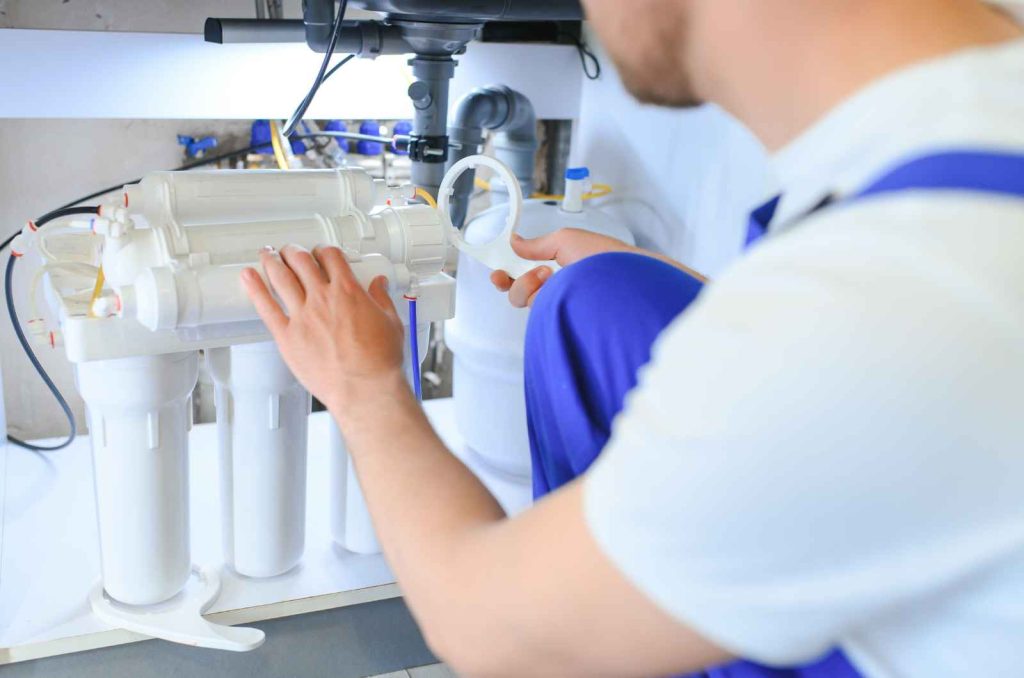
Implementing desalination solutions requires comprehensive engineering addressing site-specific conditions including feed water salinity, temperature variations, available space, and power supply characteristics. Organizations like aquaphorpro Professional provide integrated water treatment systems combining reverse osmosis technology with complementary pre-treatment and post-treatment processes. With extensive experience spanning multiple production facilities and over 130 patents, such manufacturers deliver customized desalination solutions optimized for diverse applications.
Professional system design encompasses membrane selection based on water chemistry, pump sizing ensuring adequate pressure across operating ranges, and control system programming enabling automated operation with minimal operator intervention. Advanced monitoring tracks key performance parameters including permeate flow, conductivity, pressure differentials, and membrane fouling indicators, facilitating predictive maintenance and performance optimization throughout system operational lifespans.
?What Maintenance Protocols Ensure Reliable Performance
Preventive maintenance schedules incorporating regular inspections, filter replacements, and membrane cleaning maximize uptime while minimizing unexpected failures. Pre-treatment filters typically require replacement every one to three months depending on feed water quality, while reverse osmosis membranes undergo chemical cleaning every three to six months removing accumulated foulants. Proper maintenance extends membrane operational life from three to seven years, with some installations achieving even longer service through optimal operating conditions and diligent care.
Monitoring programs track membrane performance indicators including normalized permeate flow, salt rejection rates, and differential pressure across elements. Declining performance triggers targeted interventions addressing specific issues before they escalate into system failures requiring extensive downtime or costly membrane replacement. Regular sampling and laboratory analysis verify produced water meets quality specifications, ensuring consistent compliance with regulatory requirements.
Desalination's Essential Role in Water Security
Desalination technology provides vital infrastructure converting abundant ocean resources into fresh water supplies addressing global water scarcity challenges. Modern systems achieve remarkable efficiency through advanced membranes, energy recovery devices, and renewable energy integration, making desalinated water increasingly cost-competitive with traditional sources. As climate change intensifies freshwater stress and populations concentrate in coastal regions, desalination will expand its role supporting municipal, industrial, and agricultural water demands. Continued innovation in materials, processes, and energy sources ensures desalination remains at the forefront of sustainable solutions securing reliable water supplies for future generations.